.png)
ERP and Digital Transformation: Unlocking Potential
Dec 15, 2025
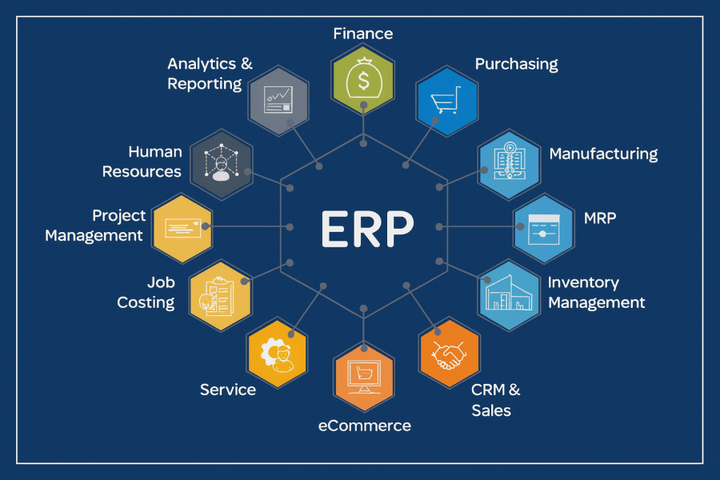
Digital transformation is reshaping how organizations operate, and ERP systems play a pivotal role in this evolution. By centralizing core business processes, ERP solutions enable companies to operate more efficiently, gain better visibility, and respond quickly to market changes. A digital transformation journey powered by ERP starts with assessing existing processes, identifying inefficiencies, and defining strategic objectives aligned with business goals. Leveraging ERP systems in digital transformation involves integrating emerging technologies such as artificial intelligence, machine learning, and predictive analytics. These tools enhance decision-making by providing actionable insights from operational data. Businesses can forecast demand, optimize supply chains, and personalize customer experiences, thereby gaining a competitive edge. Cloud-based ERP solutions further accelerate digital transformation by providing scalability, accessibility, and real-time collaboration across departments and locations. The flexibility of cloud ERP ensures organizations can adapt quickly to changing business needs while minimizing infrastructure costs. Employee engagement is crucial for successful digital transformation. Providing training, promoting system adoption, and encouraging feedback helps create a culture that embraces change and maximizes the benefits of ERP implementation. Regular system reviews and performance monitoring ensure the ERP remains aligned with transformation objectives. In conclusion, ERP systems are the backbone of digital transformation initiatives. Organizations that strategically implement, optimize, and leverage ERP technologies can unlock operational efficiency, improve decision-making, and drive innovation, positioning themselves for sustainable growth in a rapidly evolving digital landscape.